Earth & Nature
Why Do Leaves Change Colour in Autumn? The Science of Yellow, Orange and Red
Why do leaves turn yellow or red in autumn, and why do trees drop them? The pigments in leaves, colourful autumns and why America is redder than Europe.
Science answers to everyday curiosity
Why is the sky blue, why do we yawn, what do black holes swallow? We explain the science behind everyday questions, clearly and accurately.
Popular questions:What Is a Black Hole?Why Do We Yawn?Why Is the Sky Blue?Why Do Fingers Wrinkle in Water?
Why do leaves turn yellow or red in autumn, and why do trees drop them? The pigments in leaves, colourful autumns and why America is redder than Europe.
With billions of stars out there, why isn’t the night sky ablaze with light? Olbers’ paradox, the finite age of the universe and cosmic expansion, explained.
Why do octopuses have three hearts, why is their blood blue and how can their arms “think”? The science behind the body of the ocean’s strangest intelligence.
Solids are usually denser than their liquids, so why does ice float? How hydrogen bonds make water an exception and keep lakes alive in winter.
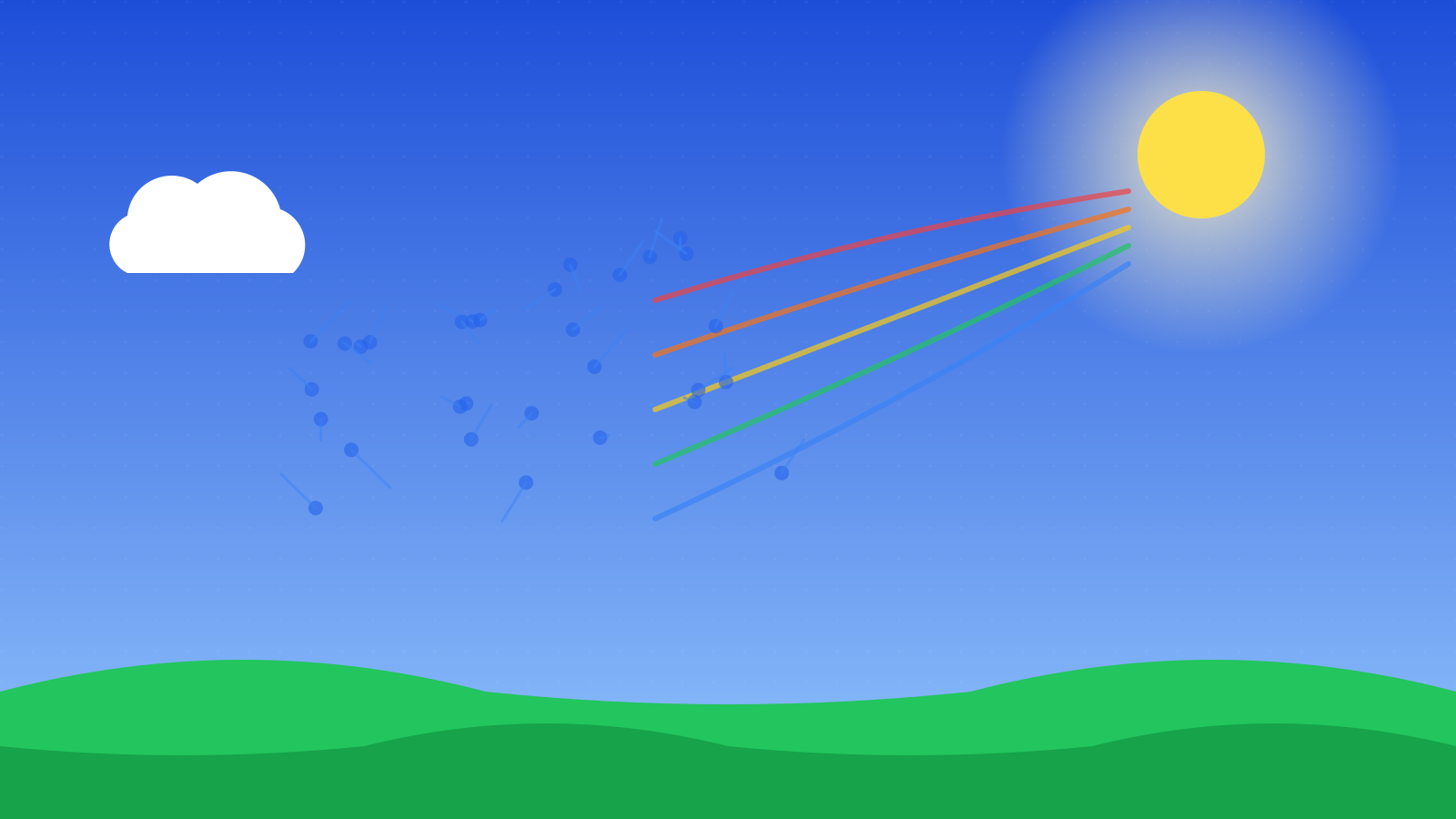
How do rainbows form, why are they curved and why do they appear opposite the Sun? Double rainbows, colour order and why you can never reach the end.
Why does déjà vu happen? The brain processes and memory theories behind the feeling of having lived a moment before — and when déjà vu can be a warning sign.
Why do fingertips prune after a long bath? It is not just skin soaking up water — it is your nervous system at work. Plus the debate over what wrinkles are for.
Science-backed answers to popular questions, in a single paragraph.
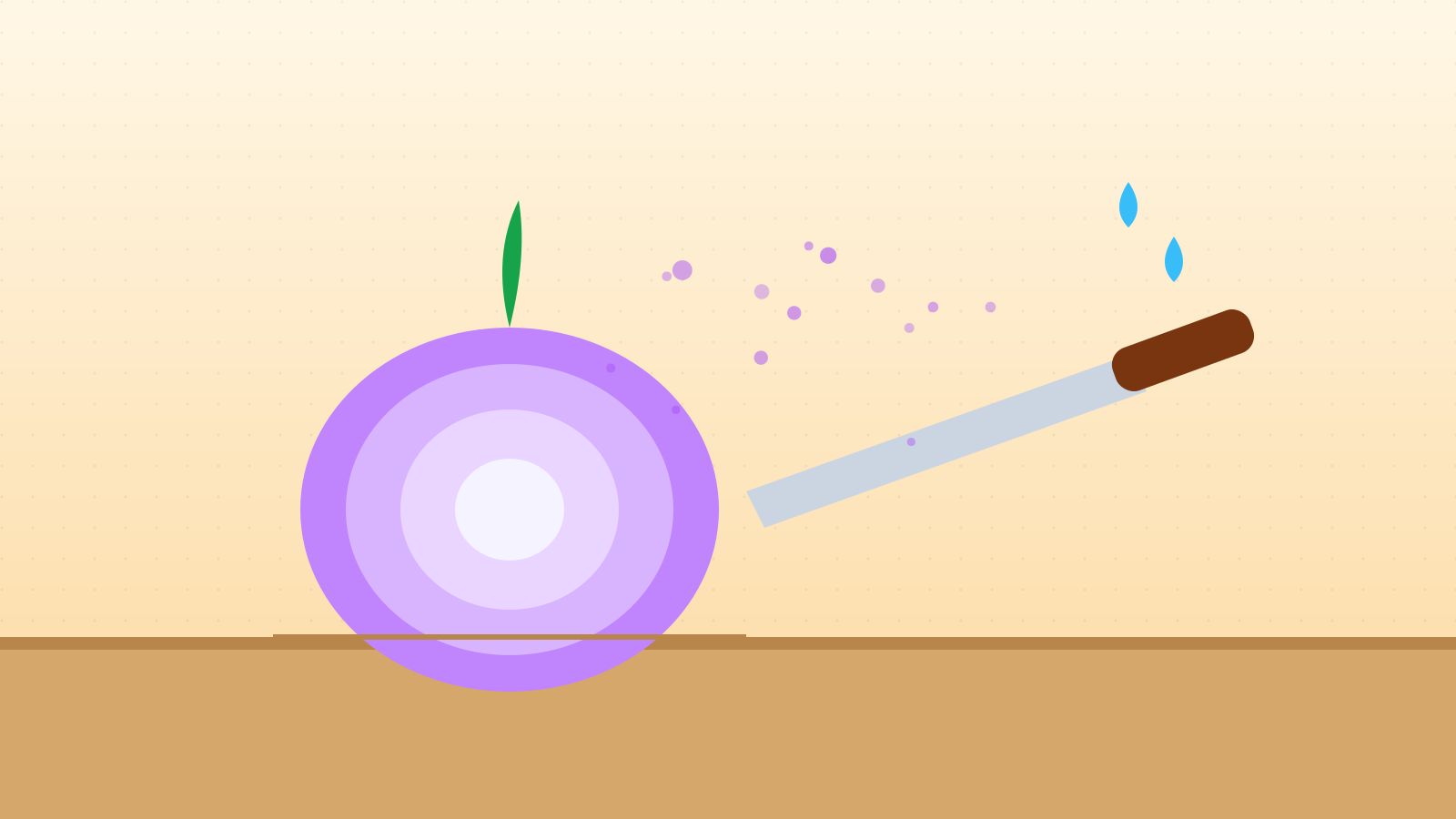
Cutting an onion breaks its cells, letting sulphur compounds react with a series of enzymes. The end product is a volatile gas called syn-propanethial-S-oxide that drifts into the air. It stimulates nerve endings in your eyes, and your brain responds by producing tears to protect them.
Read more →Nobody knows the purpose of dreams for certain. Leading theories suggest dreams help the brain sort and store the day’s experiences, process emotions and rehearse responses to possible threats. The most vivid dreams happen during REM sleep, but dreaming also occurs in other sleep stages.
Read more →Rainwater slowly wears down rocks and dissolves their minerals, and rivers carry these dissolved salts to the sea. When the Sun evaporates seawater, the water leaves but the salt stays behind. Hot springs on the ocean floor and undersea volcanoes add more. Built up over millions of years, these salts make up about 3.5% of seawater.
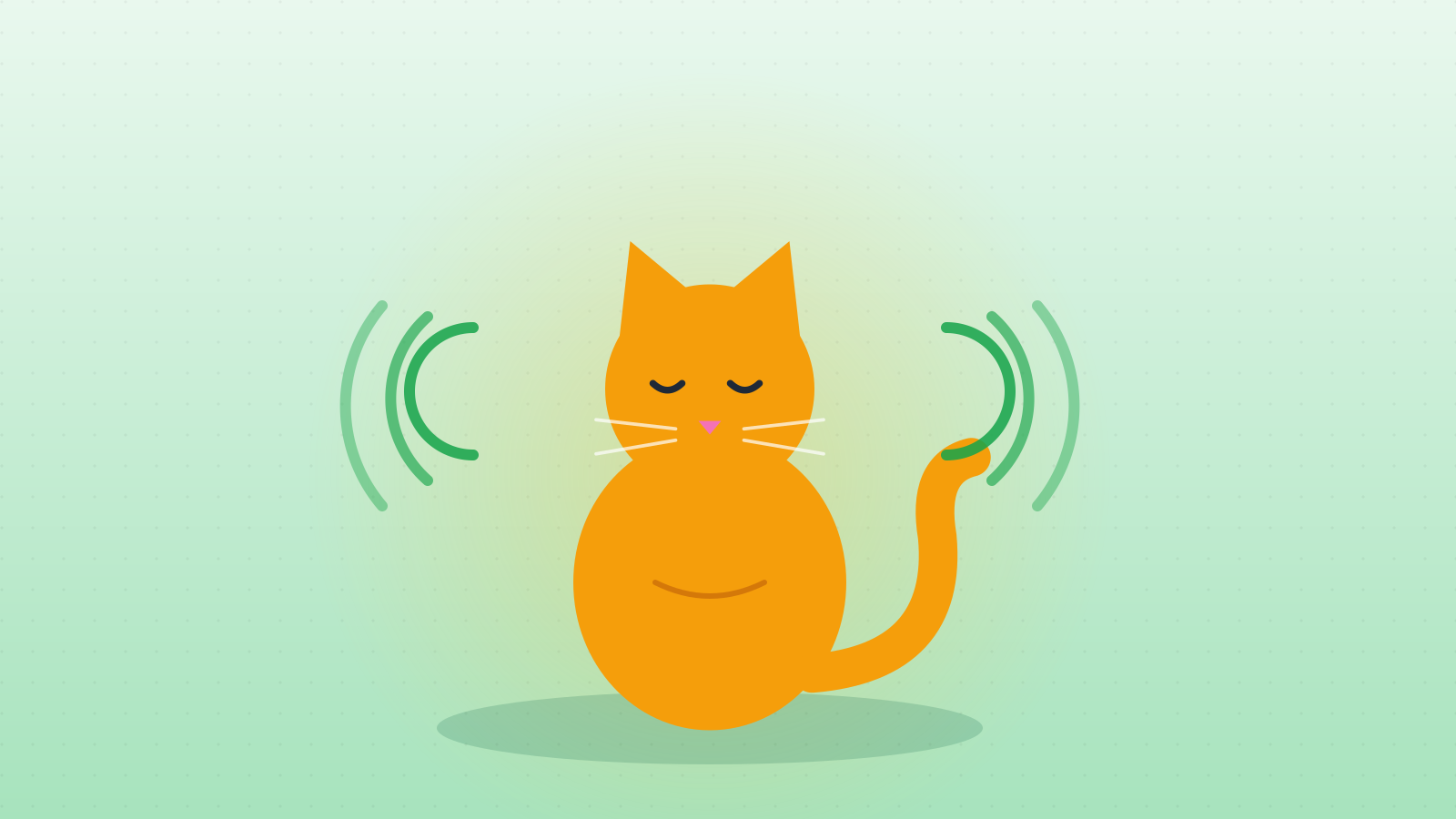
Read more →Cats purr by vibrating their vocal folds roughly 20–30 times per second. A 2023 study showed that special soft tissue in the vocal folds can produce this low frequency on its own. Purring often signals contentment, but cats also purr when frightened, in pain or asking for something.
Read more →Planets, stars, black holes and the big questions of the universe.
With billions of stars out there, why isn’t the night sky ablaze with light? Olbers’ paradox, the finite age of the universe and cosmic expansion, explained.
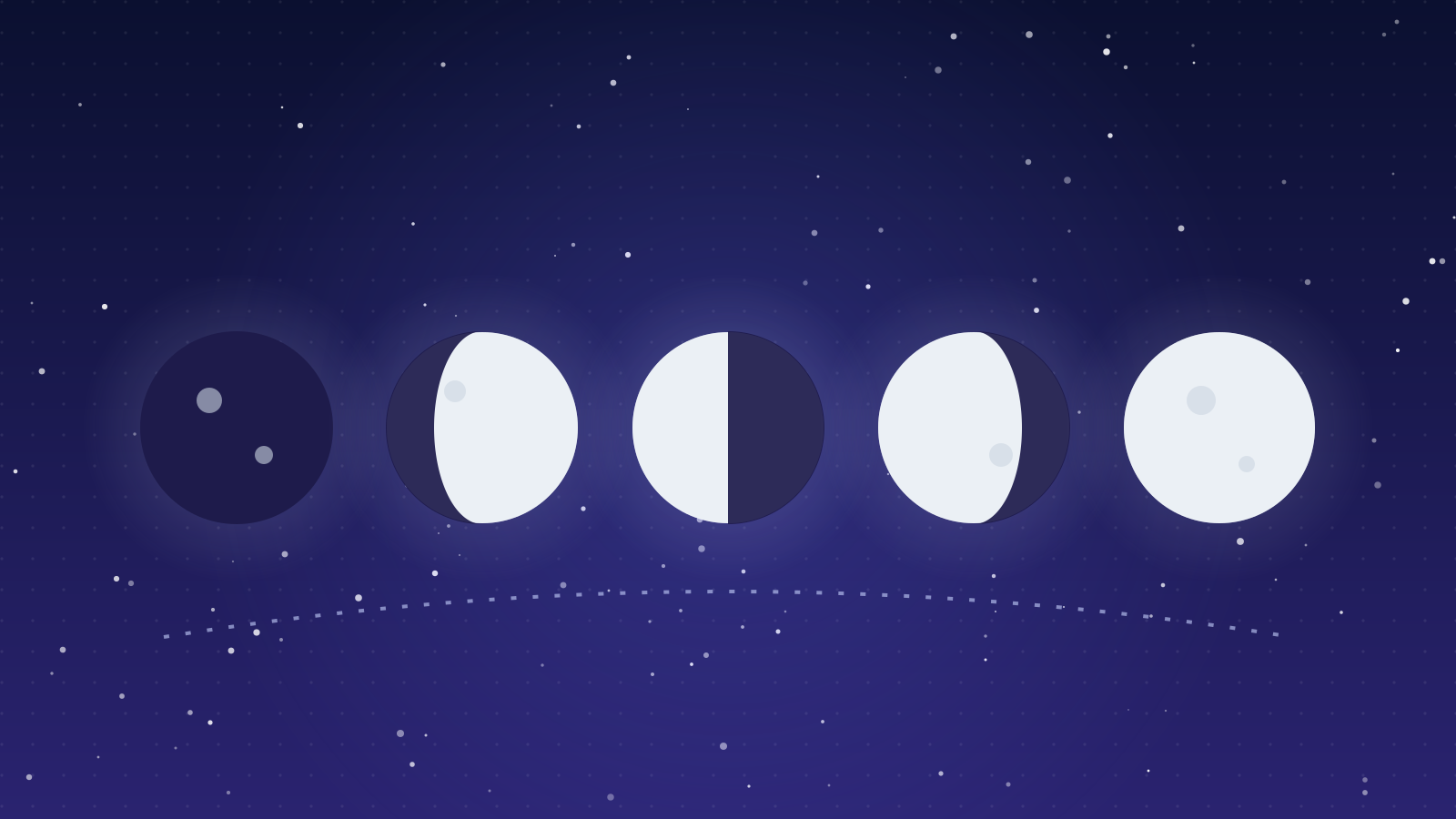
Why does the Moon go from crescent to full? Why lunar phases have nothing to do with Earth’s shadow, and how to tell a waxing Moon from a waning one.
What is a black hole, how does it form and what is the event horizon? A clear guide to the objects not even light can escape — and their first images.
The science behind the strange but sensible things our bodies do.
Why do fingertips prune after a long bath? It is not just skin soaking up water — it is your nervous system at work. Plus the debate over what wrinkles are for.
Do we yawn because we are tired, bored or low on oxygen? The brain-cooling theory and why seeing someone yawn makes you yawn too, explained with research.
Why does hair go grey, can stress really turn it white and can grey hair come back? The pigment cells in hair follicles and what new research has found.
Surprising behaviours and abilities from the animal kingdom.
Why do octopuses have three hearts, why is their blood blue and how can their arms “think”? The science behind the body of the ocean’s strangest intelligence.
Do cats only purr when they are happy? How purring is produced in the larynx, what new research revealed, and what your cat may actually be telling you.
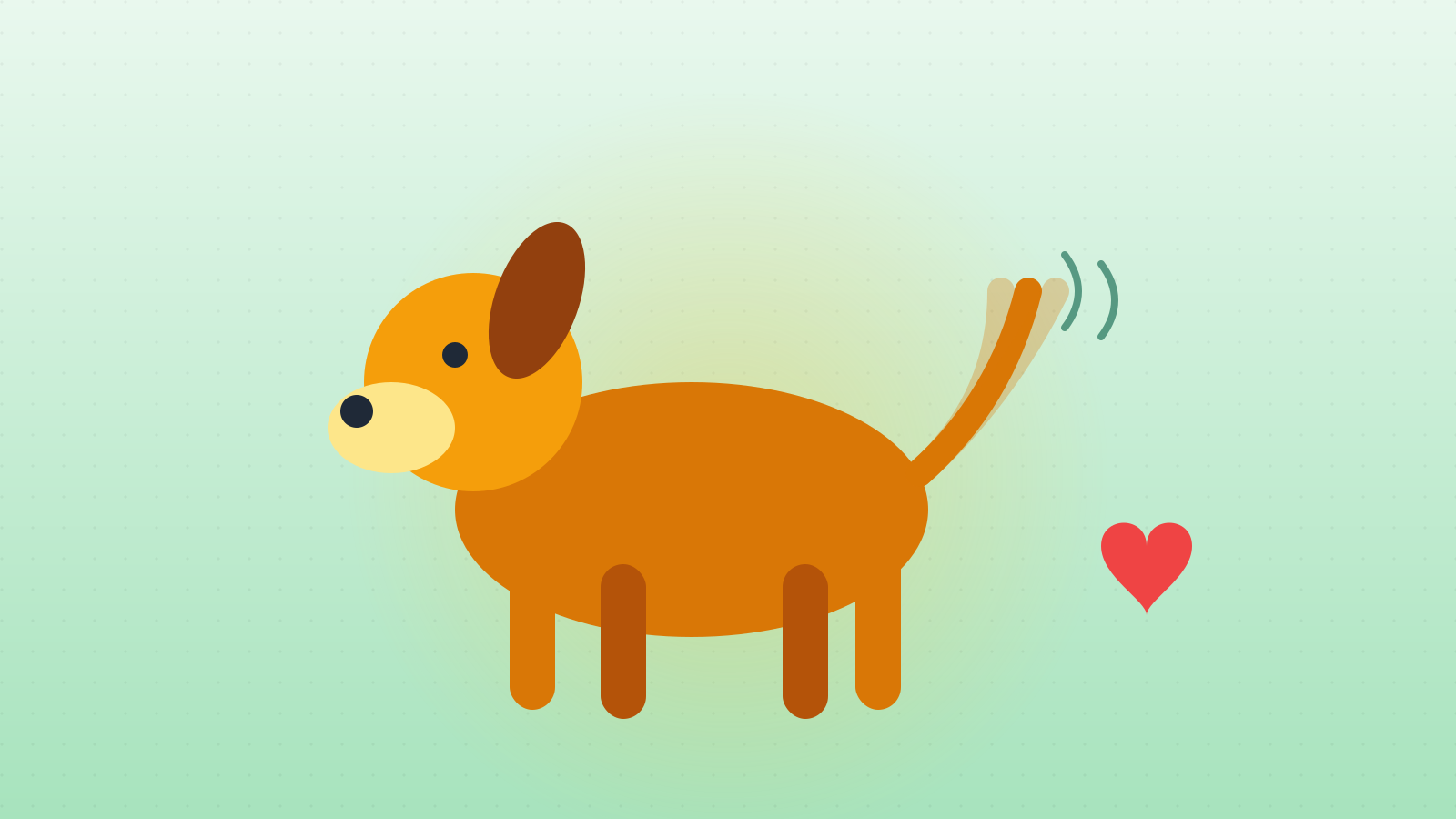
Does a wagging tail always mean a happy dog? What the height, speed and even the left–right direction of a dog’s wag reveal, according to research.
The physics and chemistry we meet every day in the kitchen, at home and outside.
Solids are usually denser than their liquids, so why does ice float? How hydrogen bonds make water an exception and keep lakes alive in winter.
Why do your eyes water when you cut onions? The tear gas onions make to protect themselves — and the science-backed ways to chop onions without crying.
Why do we salt roads in winter, how does salt melt ice and why doesn’t it work when it is very cold? Freezing-point depression and its side effects, explained.
Atmosphere, oceans, weather and how our planet works.
Why do leaves turn yellow or red in autumn, and why do trees drop them? The pigments in leaves, colourful autumns and why America is redder than Europe.
How do rainbows form, why are they curved and why do they appear opposite the Sun? Double rainbows, colour order and why you can never reach the end.
Why is seawater salty when rivers are fresh? How salt reaches the ocean from rocks and the seafloor, and why some seas are much saltier than others.
Dreams, memory, emotions and the mysterious workings of the brain.
Why does déjà vu happen? The brain processes and memory theories behind the feeling of having lived a moment before — and when déjà vu can be a warning sign.
What are dreams for, and why do we forget most of them? What the brain does during sleep and the strongest scientific theories about the purpose of dreaming.
Why does a song loop in your mind for days? How earworms form, which songs stick the most, and the research-backed ways to get rid of them.
Fingers with damaged nerves do not wrinkle in water — which is why doctors sometimes use a “water immersion wrinkle test” to check nerve function.
Why Do Fingers Wrinkle in Water? Your Nervous System’s Surprising Trick →We always see the same side of the Moon, because it rotates on its axis in exactly the time it takes to orbit Earth.
Why Does the Moon Change Shape? Moon Phases Explained Simply →Japanese scientists bred an onion with very little of the enzyme that produces the tear gas. It barely makes you cry when you chop it.
Why Do Onions Make You Cry? The Chemistry of Tears and How to Stop Them →Every article is based on peer-reviewed research and publications from institutions such as NASA, NIH and NOAA, with sources listed at the end. We explain complex topics with diagrams, in language anyone can follow.
How we work →