Space
Why Is the Night Sky Dark? Olbers’ Paradox and the Age of the Universe
With billions of stars out there, why isn’t the night sky ablaze with light? Olbers’ paradox, the finite age of the universe and cosmic expansion, explained.
Planets, stars, black holes and the big questions of the universe.
With billions of stars out there, why isn’t the night sky ablaze with light? Olbers’ paradox, the finite age of the universe and cosmic expansion, explained.
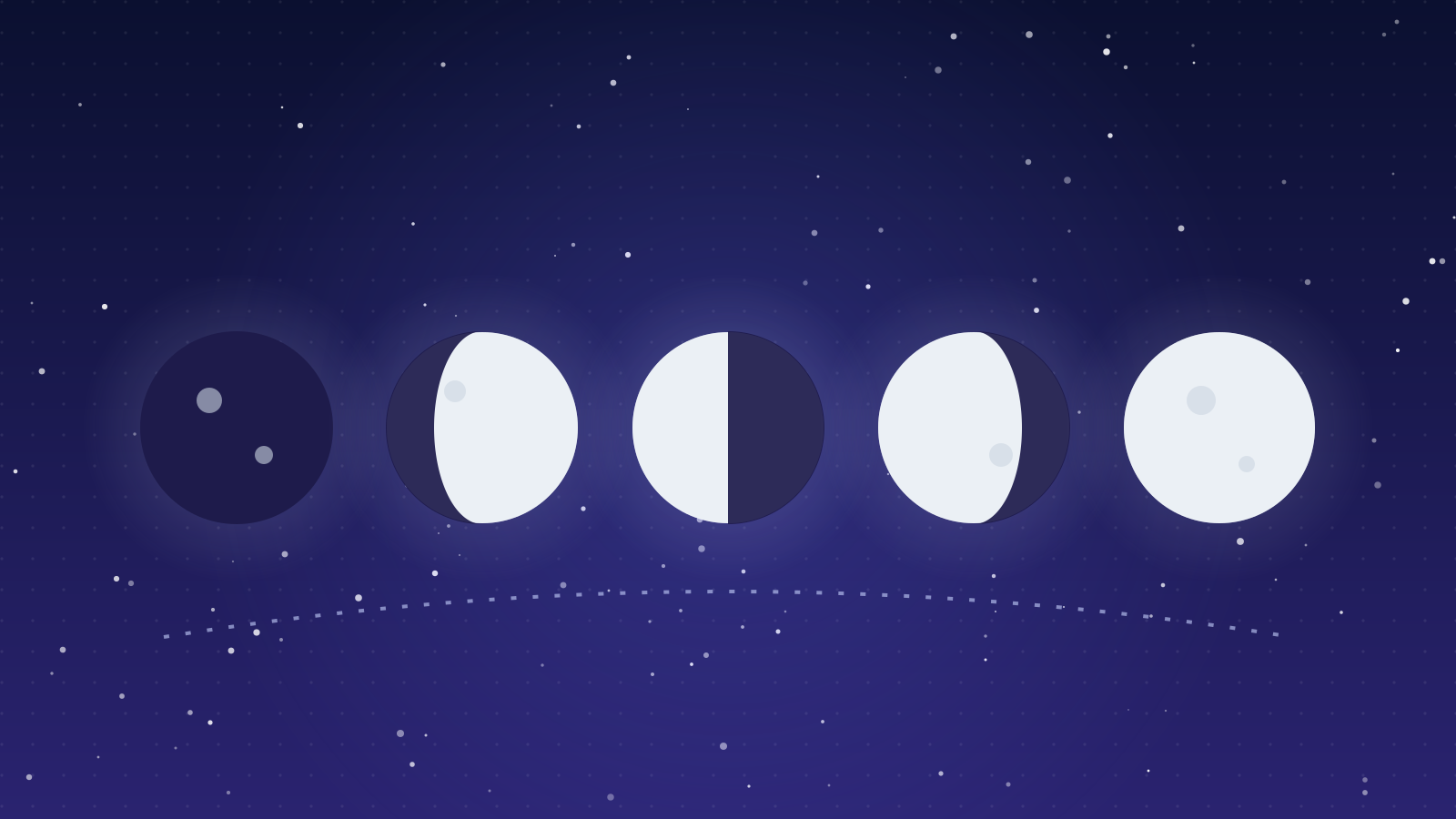
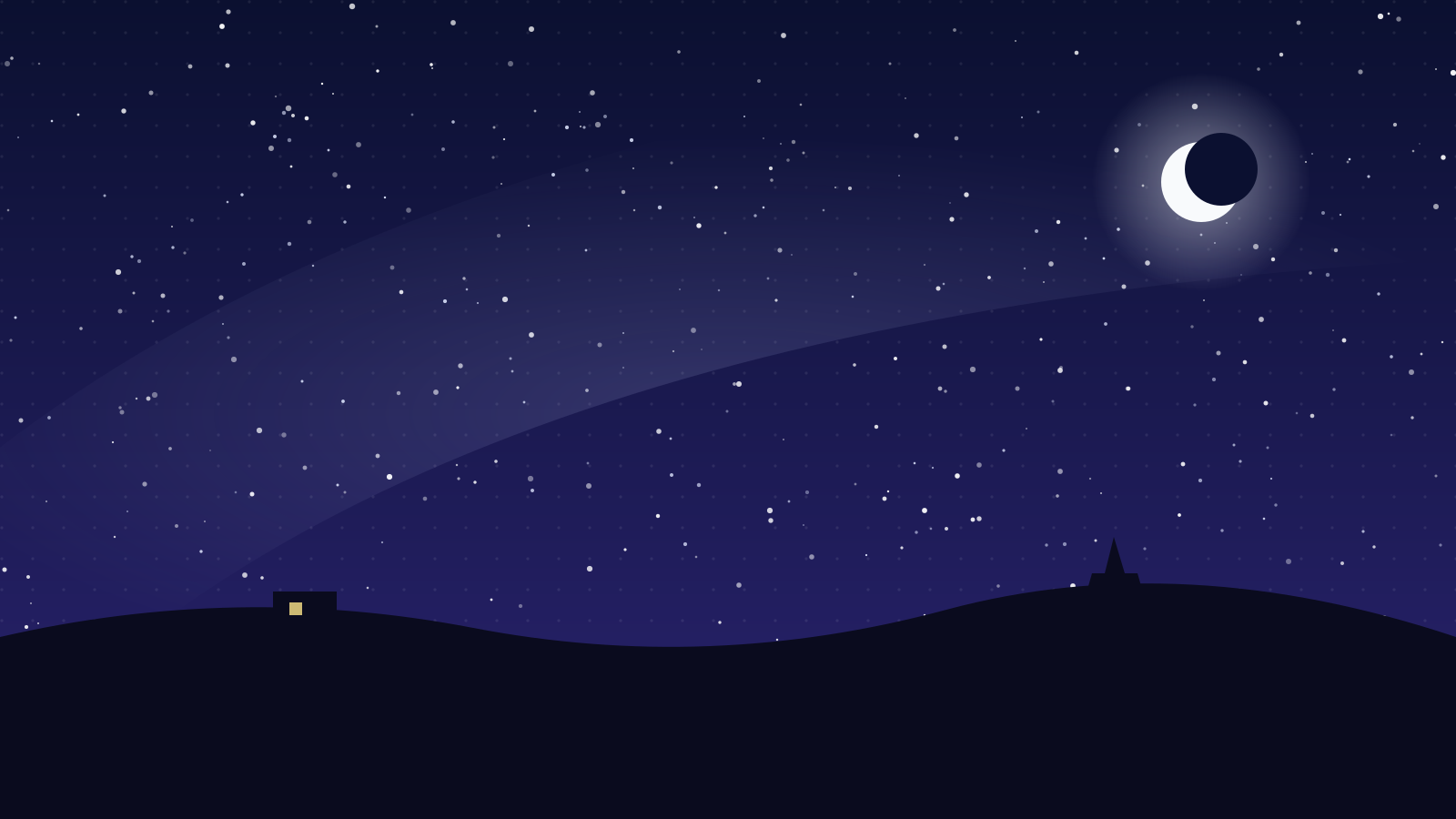
Why does the Moon go from crescent to full? Why lunar phases have nothing to do with Earth’s shadow, and how to tell a waxing Moon from a waning one.
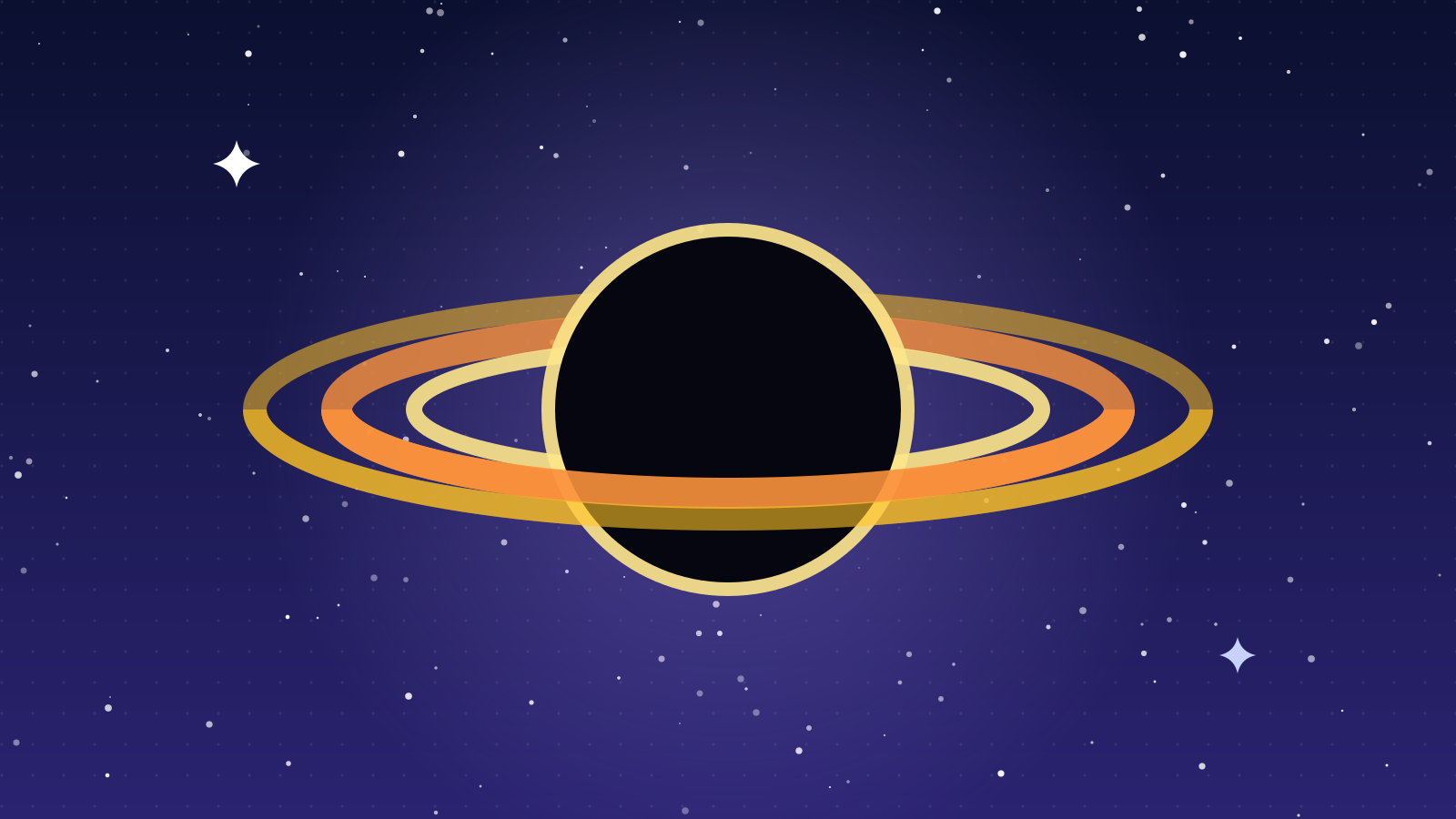
What is a black hole, how does it form and what is the event horizon? A clear guide to the objects not even light can escape — and their first images.
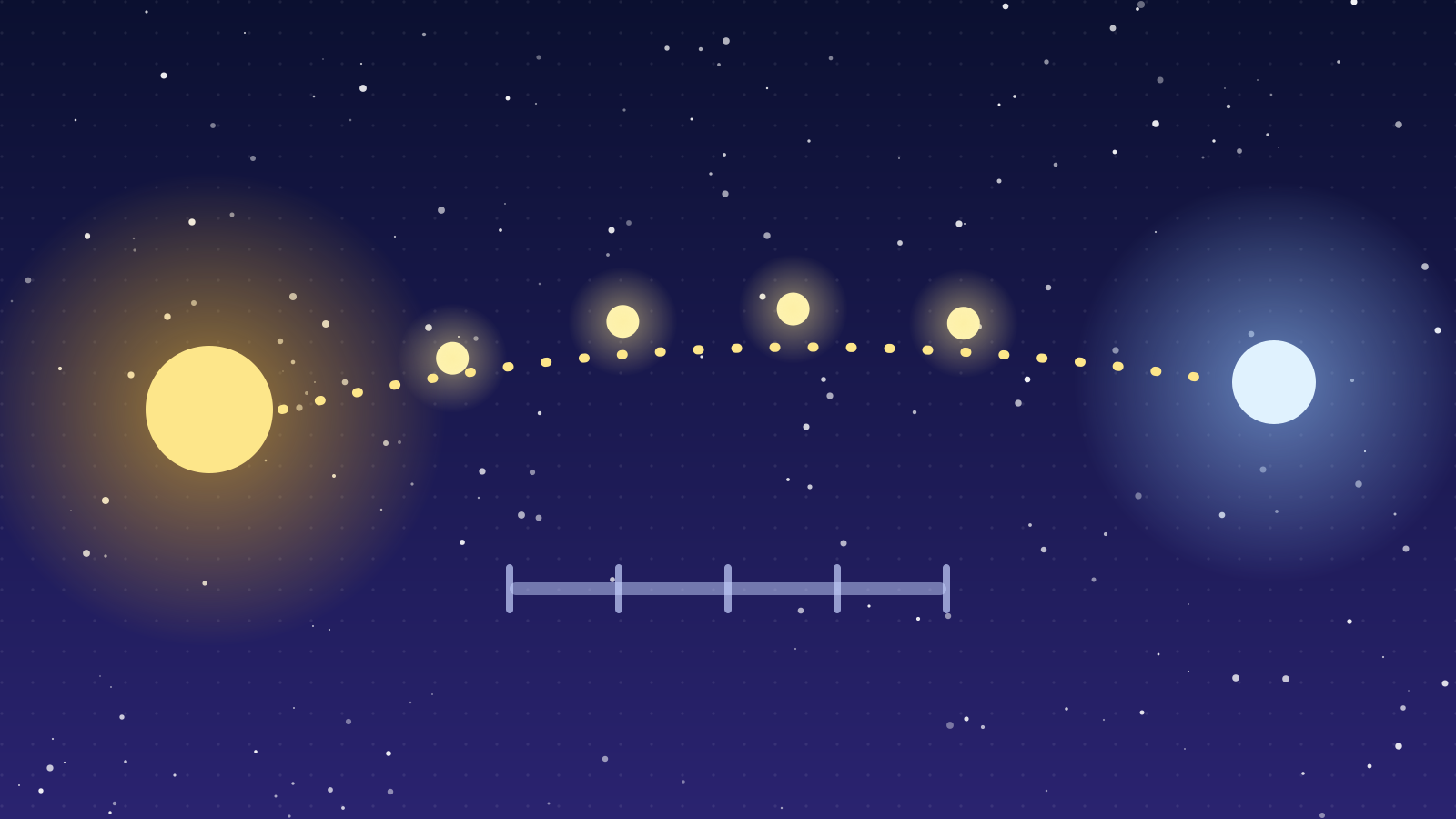
Is a light-year a unit of time or distance? How big a light-year really is, why looking at stars means looking into the past, and the scale of the universe.
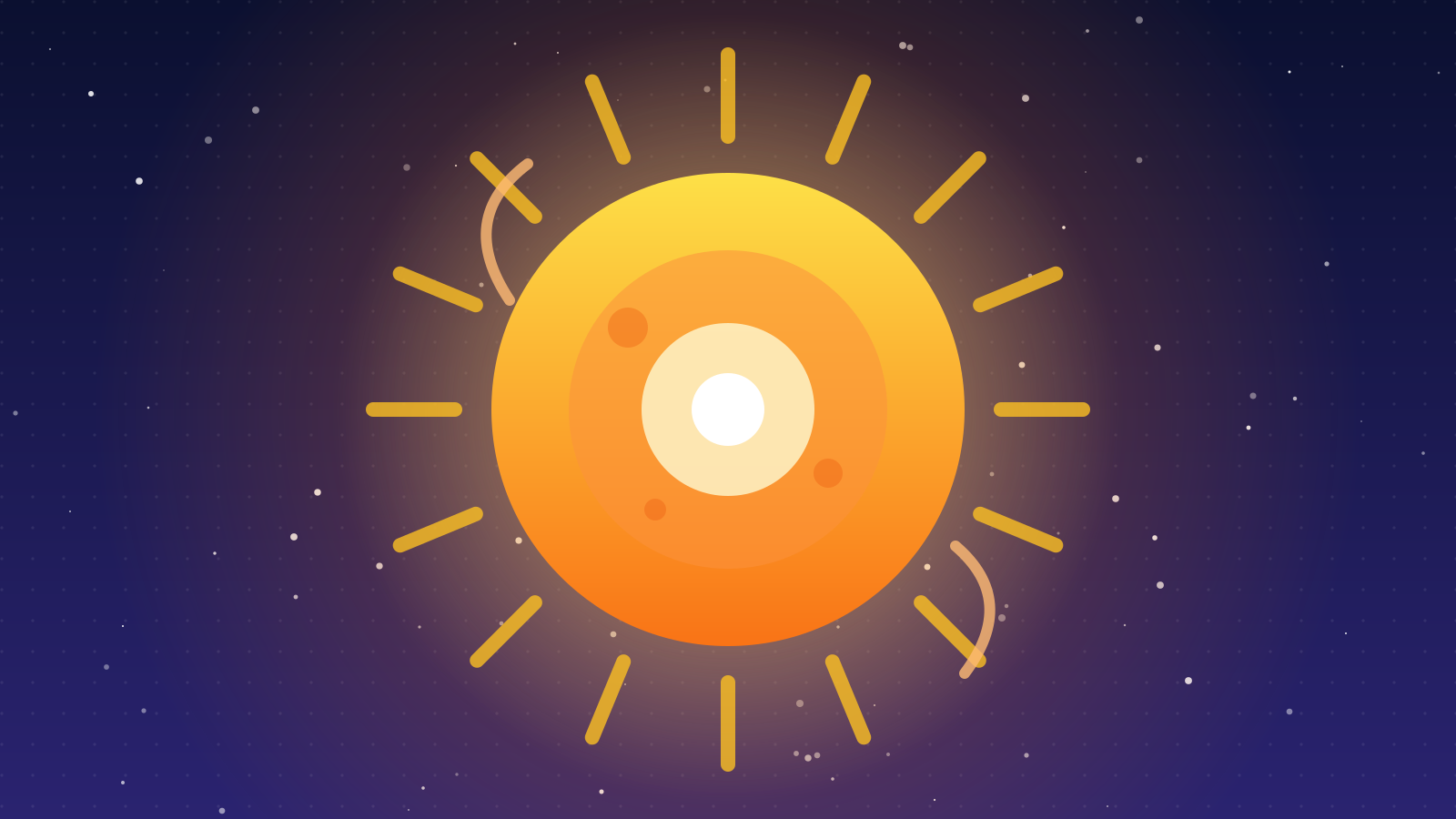
How does the Sun produce light and heat, how does its energy reach us and when will it burn out? Nuclear fusion in the core and the Sun’s layers, explained.
Why do stars twinkle while planets shine steadily? How starlight bends in Earth’s atmosphere, and how astronomers fight the twinkle to get sharp images.
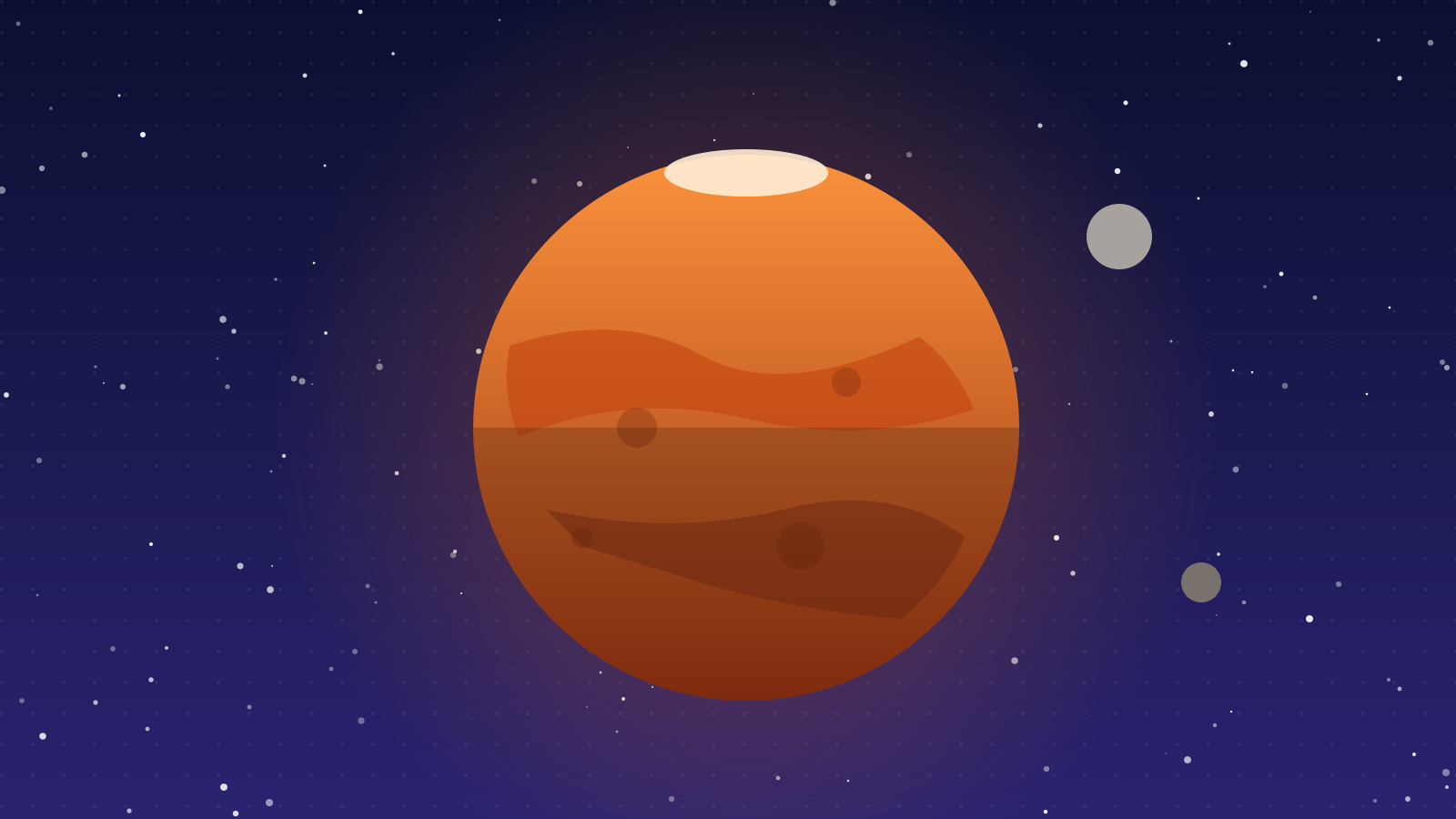
What gives Mars its red colour? The iron-oxide dust covering its surface, the 2025 discovery of traces of water, and why Martian sunsets are blue.
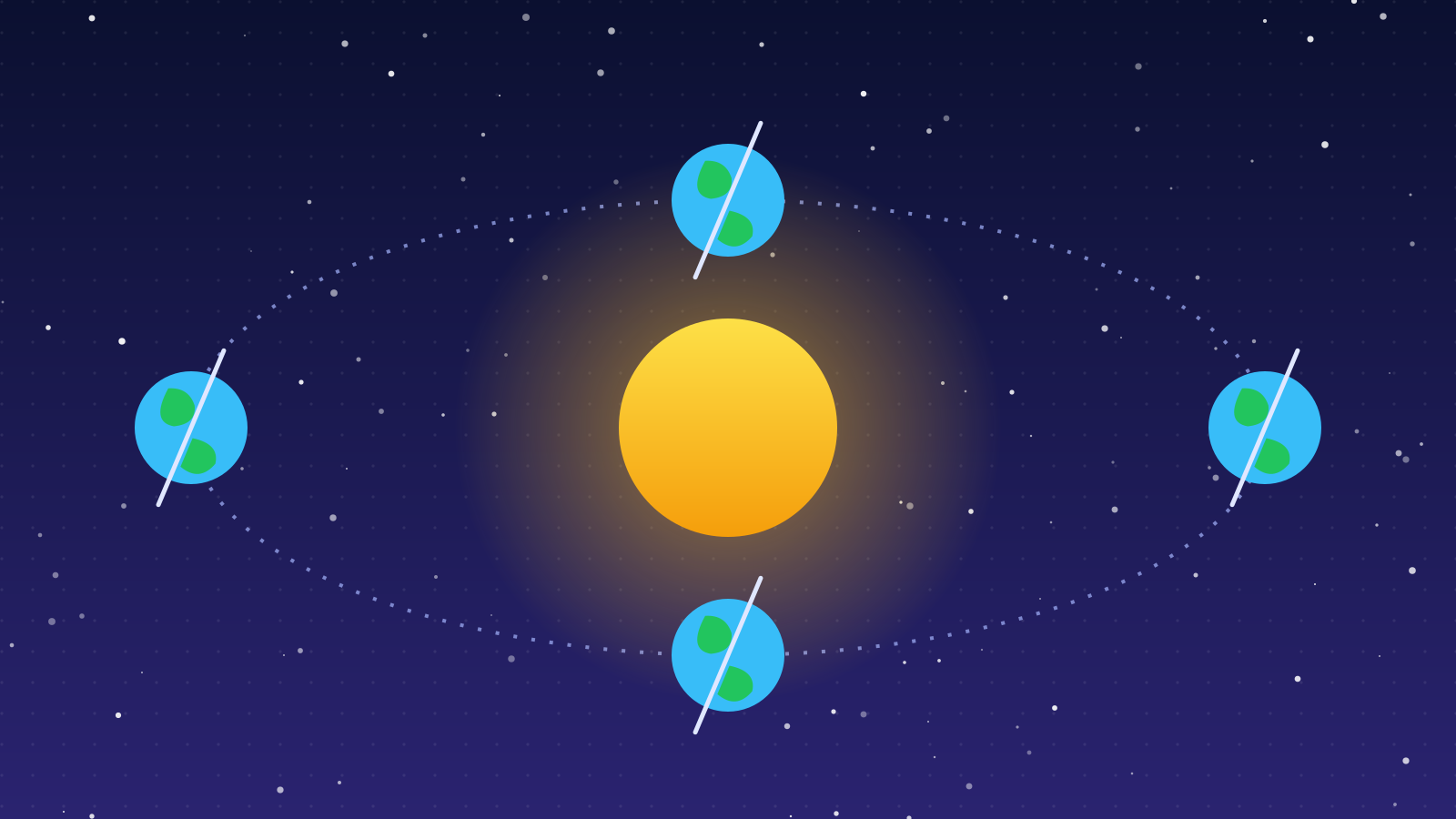
Are the seasons caused by Earth moving closer to the Sun? How the tilt of Earth’s axis creates summer and winter, explained step by step with diagrams.